insight

Mini Storage DaLock
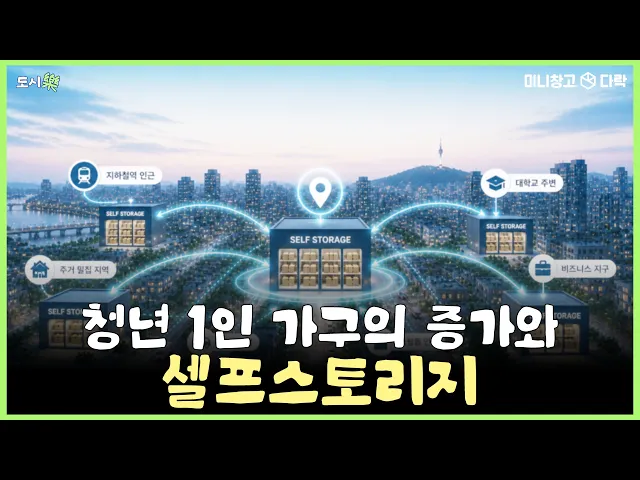
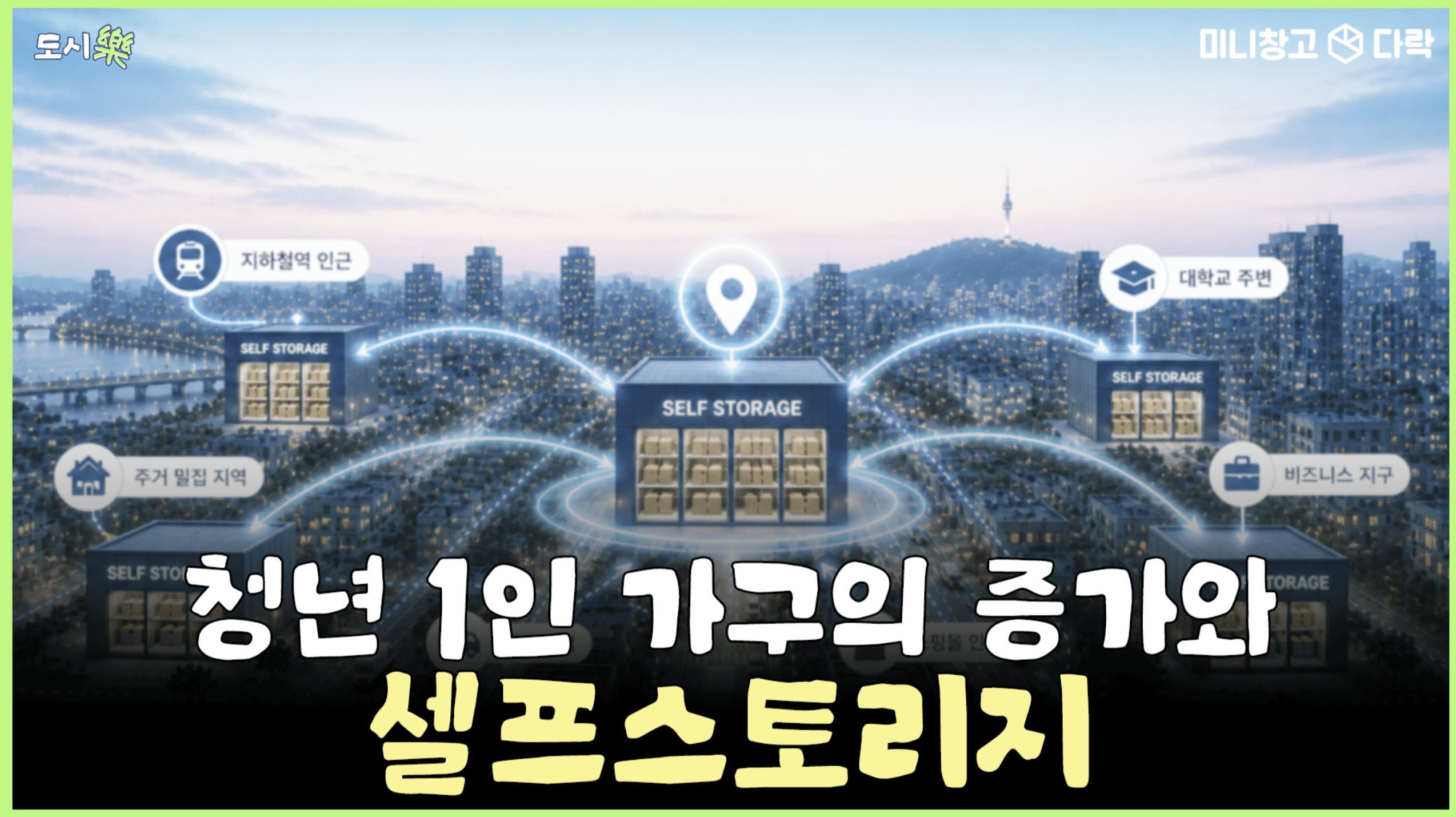
It's not that your home has gotten smaller. Young single-person households and self-storage
Hello, this is self-storage 'daLock'.
We demand too much from our homes
Lately, there is an abundance of content related to organizing homes. Minimalism, discarding challenges, and storage tips. They are all talking about the same problem in different ways: that there are too many things inside the house.
But when you think about it, it's strange. No matter how much we discard and discard, why is the house always cramped?
It's not that your home has gotten smaller
As of 2024, the proportion of single-person households in Korea has exceeded 35%. Among the youth, single-person households have already become the standard housing type.
The problem is not the size of the house. It's that the roles the house has to handle have become too many.
In a single, cramped studio apartment, you have to sleep, work, rest, enjoy hobbies, and even store seasonal bedding, camping gear, and shoes for resale. These are roles that would have been overwhelming even if space were plentiful. So, cramming all of that into a space of less than 700 square feet naturally makes the home feel suffocating.
Living spaces are clashing with each other
There are things we don't use often, but still need. Seasonal clothes, winter blankets, golf gear, camping equipment. We only use them a few times a year, but we can't throw them away, and keeping them takes up a lot of space.
When these items begin to encroach on living spaces, the functions of the home clash with each other. The bedroom becomes a warehouse, and the living room becomes a pile of luggage. When space narrows, the quality of life naturally decreases as well.
It seems like throwing things away would solve the problem, but today's young generation doesn't easily discard items. They resell them through secondhand transactions or store them to use again later. While this is a rational choice, the house bears the full burden of it.
The functions of the home are moving outdoors
Actually, this change is not exclusive to self-storage.
Meals are resolved via delivery apps, and work is done in shared offices. Functions that used to be fully handled within the home are now moving outside, one by one. Storage is also part of that trend. Keeping rarely used items outside the home, allowing the living space to truly focus on living.
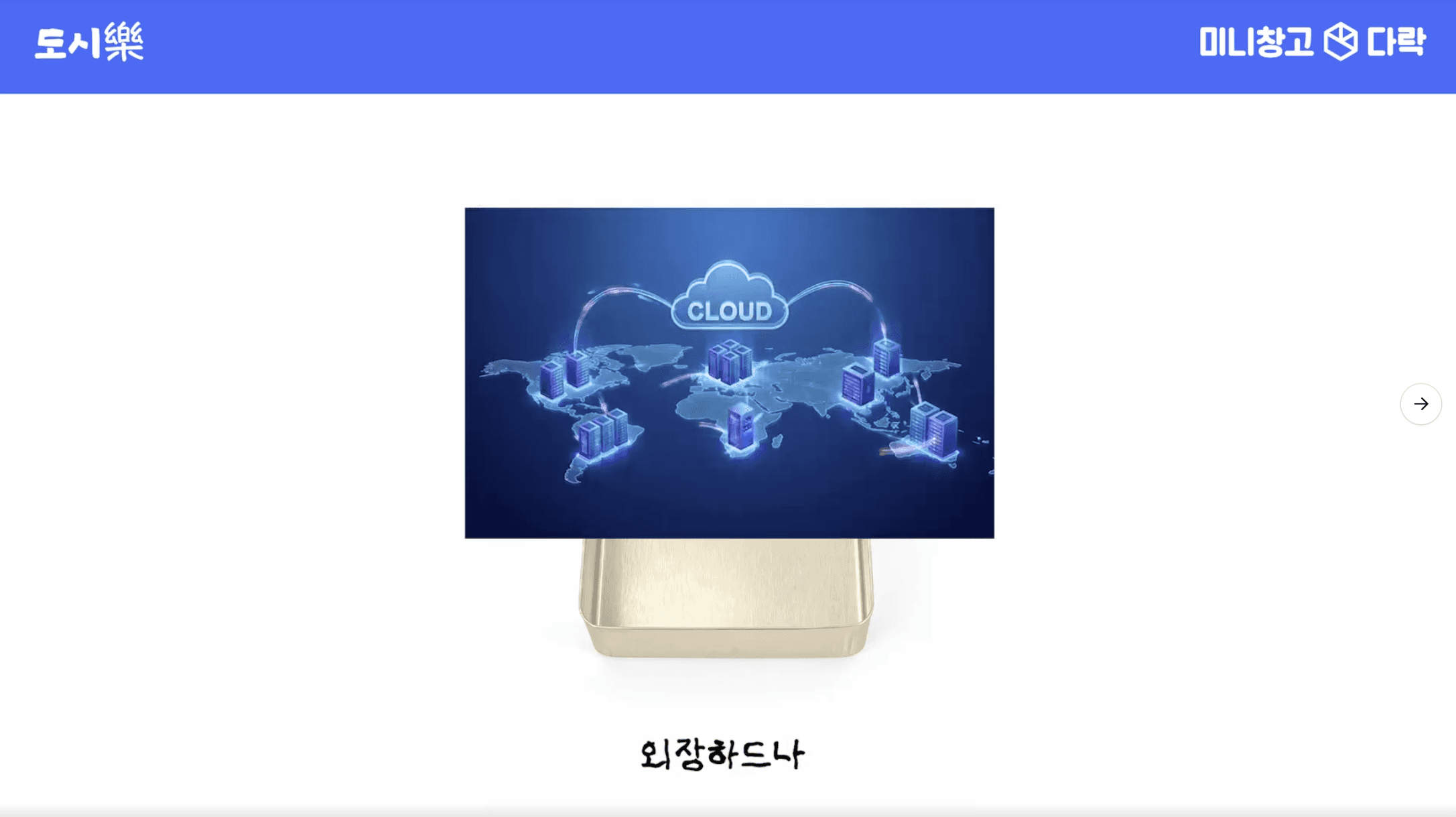
When a computer slows down, we use an external hard drive. When a home gets cramped, we use external storage space. The system is the same.
Why self-storage is more than just a warehouse
There are still many who view self-storage simply as a warehouse. However, in Japan, there are already more self-storage facilities than coffee shops. It has established itself as part of the living infrastructure.
Korea is also heading in the same direction. This is because the home is changing from a space that holds all functions to a hub connected to the necessary functions. Self-storage is one of those connecting links.
To those who feel their homes are cramped, I would like to ask this question at least once.
Aren't there things you can take out of your home?
If you are curious, please feel free to ask through the consultation request below. We will answer in detail.


