
insight

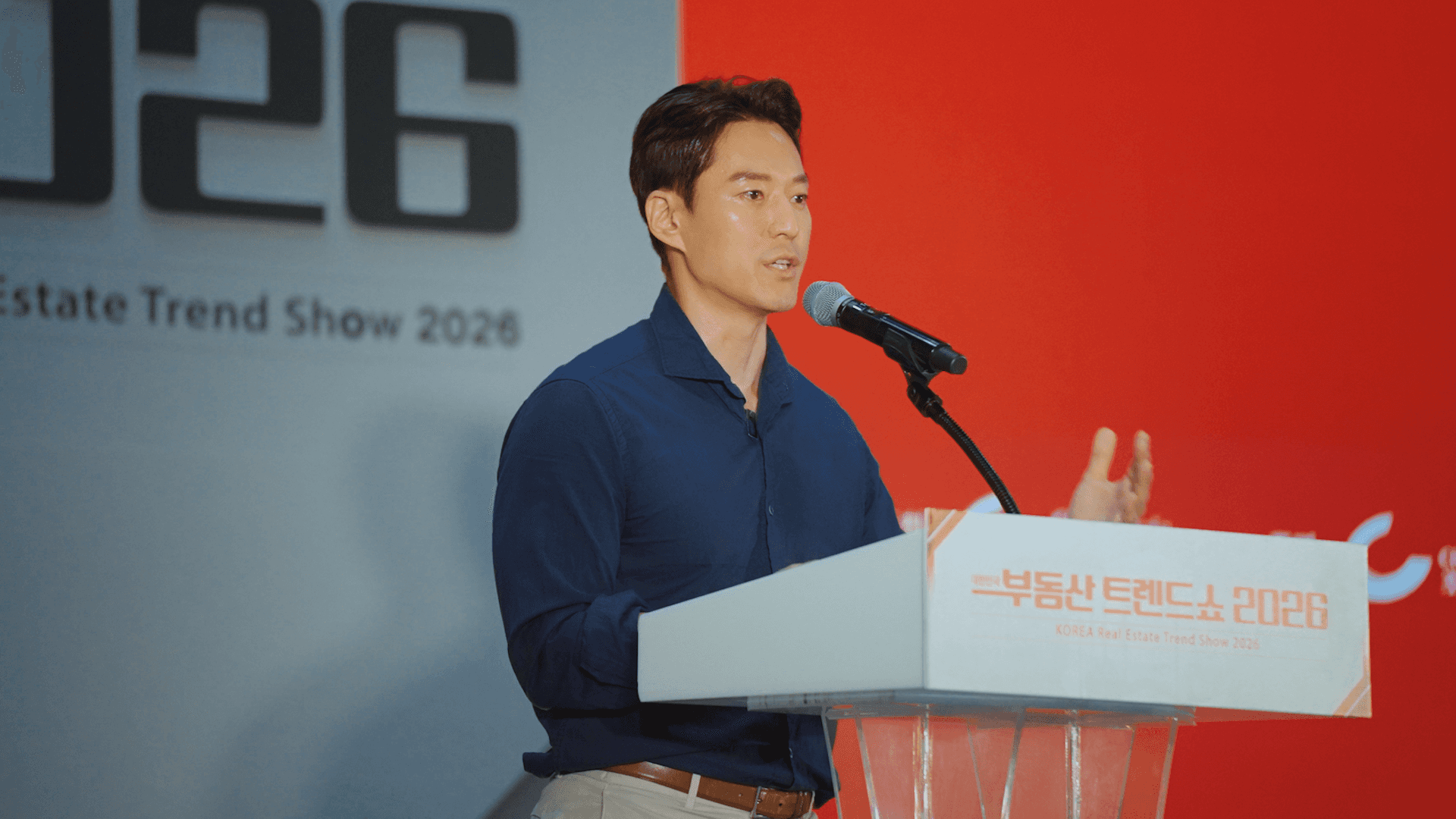
Woo-tae Hong, CEO of DaLock
Commercial Vacancies Might Not Be Due to the Economy
Hello, I'm Woo-tae Hong from the self-storage service, 'Mini Storage DaLock'.
These days, as you walk past commercial buildings, you often spot "For Lease" banners. When vacancies persist, it's easy for landlords to blame the economy. But let's think about this for a moment. In the first quarter of 2026, South Korea's GDP growth rate was 17%. That is a phenomenal figure. Yet, commercial vacancies around us remain unchanged.
This growth came from semiconductors, shipbuilding, and defense. It didn't come from our real estate. This is why we need to think structurally.
Things That Weren't in Our Homes 10 Years Ago
Stylers (clothing care systems), air purifiers, and massage chairs. Many people have them now, though they didn't exist in most homes 10 years ago. Incomes have increased by more than 30% compared to 10 years ago, and consumption patterns and lifestyles have changed accordingly.
The problem is that houses cannot accommodate all these desires. A house is a physical space, and it cannot be altered at will. To get more space, one would need to move to a larger home, but housing prices are far too expensive.
Yet, there's an interesting paradox.
While it is difficult to find a house you want to live in, vacant spaces in commercial buildings are overflowing.
Connecting Surplus and Scarcity Creates Business
The average price per pyeong of an apartment in Seoul is over 40 million won. Within that expensive space, balconies, utility rooms, alpha rooms, and built-in closets are packed tight. Yet, the value of the items stored inside those spaces might be less than 1 million won. In other words, people are storing 1 million won worth of goods in a space worth 40 million won per pyeong.
On the other hand, commercial properties nearby rent out space for about 30,000 won per pyeong.
As monthly home rents rise to 100,000 or 200,000 won per pyeong, commercial storage options look relatively more attractive. Naturally, people start to think, "I could store things I don't use at home right here."
This is the structural reason why self-storage is growing.
The Era of Simple Leasing is Over
The population is shrinking, and consumption behavior has shifted post-pandemic. Physical retail demand is structurally declining. If it's a prime roadside real estate, leasing might go well, but elsewhere, simple leasing is no longer enough to solve vacancy issues.
The answer lies in operations—infusing your building with content.
This is clearer when looking at actual cases. A 50-pyeong commercial space in Yeongdeungpo, Seoul, used to generate 3.05 million won per month in rent. After converting this space into Mini Storage DaLock, it generates an additional 6.20 million won per month. This is more than twice the revenue of the previous lease, a structure that remains highly profitable even after deducting facility investment costs.
The Government is Looking in the Same Direction
The Ministry of Economy and Finance designated self-storage as a new industry. The Ministry of Land, Infrastructure and Transport has legally created a dedicated category for "Shared Storage Facilities." The National Pension Service designated self-storage as "New Economy" in its 2024 real estate investment guidelines, incorporating it into its portfolio.
This means that the institutional framework is already validating this direction.
The Era of Operations: What Matters is the Operator
Once you've found the right content for your building, the next step is finding the company that can operate it best. Managing it directly is difficult. You need an operator with a long, proven track record, the largest footprint under management, and one that is chosen by customers.
Mini Storage DaLock has reviewed 1,200 real estate properties, currently operates 228 locations, and boasts over 120,000 members. It was recognized by the Financial Times as a high-growth company, received a commendation from the Ministry of Land, Infrastructure and Transport, holds seven patents in automated operation technology, and is scheduled to open inside GS E&C's Xi apartments.
How Will You Operate Your Assets?
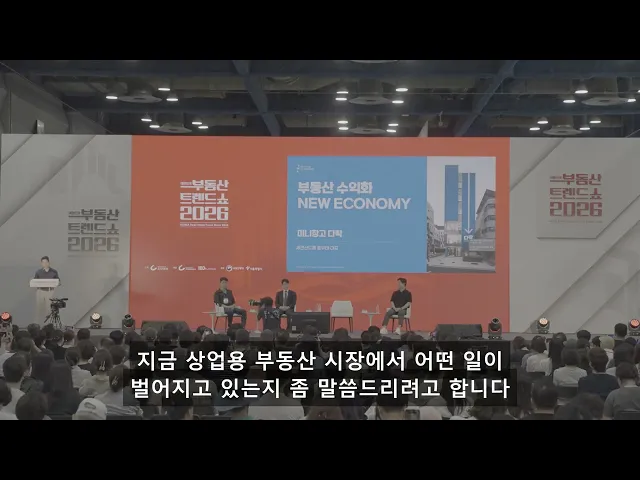
It is easy to blame the economy when a vacancy occurs. However, the structure has changed. We are in an era where vacancies can no longer be resolved simply by waiting for tenants.
Whether you own vacant commercial properties or underutilized real estate, or if you wish to participate in self-storage operating profits with a small investment, please feel free to ask us through the consultation request below. We will provide you with a detailed answer.
© 2026 Mini Storage DaLock. All rights reserved. Unauthorized reproduction or redistribution of this report is prohibited.


