Interview

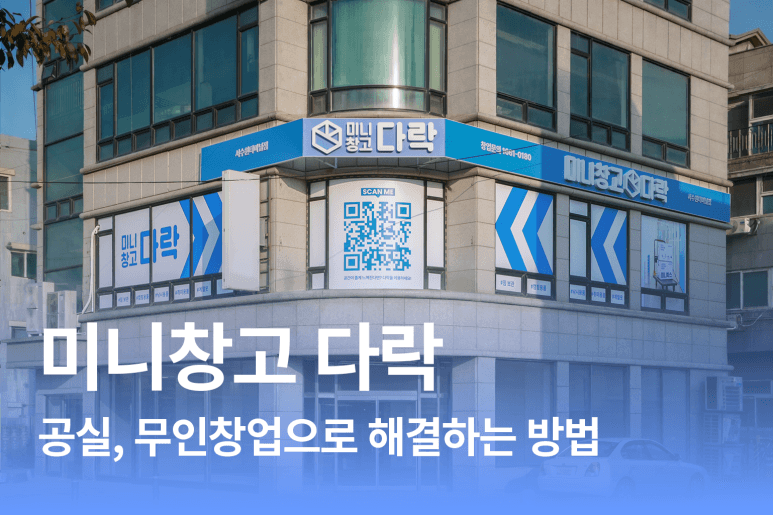
Mini Storage DaLock
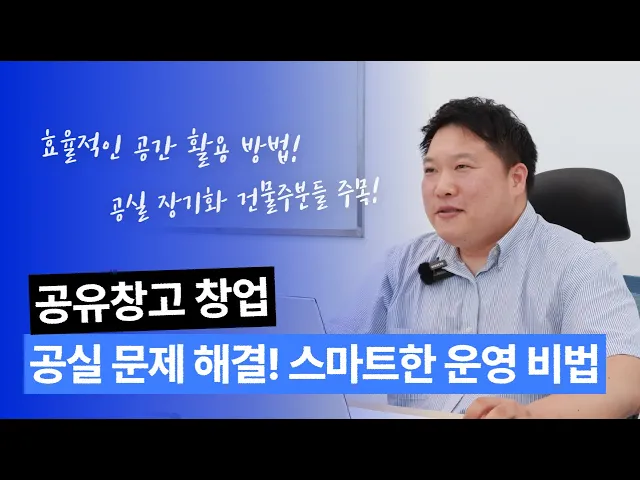
Smart Choice for Knowledge Industry Center Owners: Solving Vacancies with Self-Storage
Hello, this is self-storage ‘Mini Storage Darak’.
Owners of knowledge industry centers, are you finding yourself increasingly worried about vacancies these days? Once, these centers sold out as soon as they were launched, but now things are different. If you've been waiting for tenants while looking at empty units, this article may open up a new perspective for you today.
From here, we'll explain the concrete ways knowledge industry center owners can turn vacancies into revenue, and how self-storage can solve the problem.
Knowledge Industry Centers: Why Are Vacancies Increasing?
In recent years, as the supply of knowledge industry centers has surged, vacancies are no longer a temporary phenomenon but have become a long-term structural problem. With the spread of remote work, startups' preference for small offices, and an economic slowdown all overlapping, the reality is that empty units are increasing across Jisan centers.
Yet even in the same situation, there are knowledge industry center owners who are generating stable income without worrying about vacancies. Their common trait is one thing: they go beyond simply leasing space and actively make use of it.
Knowledge Industry Center Vacancies: Turn Them into Opportunities with Two Solutions
Solution 1 — Pop-up Stores and Short-Term Leasing
If you have a ground-floor or high-foot-traffic retail unit in a knowledge industry center, pop-up stores and short-term leasing are worth considering. There is steady demand from startups preparing to launch brands, local designers, social brands, and others who want to rent space for short periods of two weeks to one month.
Rather than leaving a unit vacant for the long term, operating it even on a short-term basis generates rental income and can also breathe life into the building itself as trendy brands move in. It can also leave a positive impression on potential tenants who see it, sometimes leading to long-term lease contracts.
Solution 2 — Self-Storage, a Revenue Model Perfect for Knowledge Industry Centers
The solution knowledge industry center owners should pay the most attention to is operating self-storage (unmanned shared storage). This is because the characteristics of Jisan and the operating structure of self-storage match remarkably well.
Why Do Knowledge Industry Centers and Self-Storage Work So Well Together?

First, there is already demand in Jisan.
Small business owners, startups, and SMEs in knowledge industry centers often need space to store inventory, documents, and equipment separate from their offices. Add to that the demand for personal storage from one- and two-person households and foreign residents near Jisan, and the potential customer base for self-storage already exists inside and around the building.
Second, any unit can be put to use.
Self-storage does not discriminate by property type. Basement levels, lower floors, and irregularly shaped units that are difficult to lease in the traditional way can still generate revenue when converted into self-storage. With flexible responses to a wide range of sizes from 10 pyeong to 100 pyeong, it can efficiently fill both large and small vacancies in knowledge industry centers.
Third, the building owner does not need to manage it directly.
Darak's self-storage is equipped with IoT access control, automatic temperature and humidity control, and a 100% unmanned operating system. There is absolutely no need for the building owner to respond to customers on-site or manage the facility directly. Darak's headquarters operations team handles everything from marketing to customer management, creating a structure that requires almost no hands-on effort while generating stable monthly income.
Fourth, once customers use it, they stay for a long time.
Because of self-storage's nature, once customers sign a contract, they tend to use it continuously for months or even years. Since this is not one-off revenue but a structure in which income accumulates steadily, knowledge industry center owners can turn vacancies into assets that produce stable cash flow over the long term.
From an Era of 'Leasing' Space to an Era of 'Serving' It
If you thought that, as a knowledge industry center owner, the only things you could do were find tenants and collect rent, then it's time to change your perspective.
The key is a shift in thinking: 'servicing' space. Empty units in a knowledge industry center are not just vacancies; depending on how they are operated, they can become assets that create new revenue. Bringing energy to the building through pop-up stores and securing steady cash flow through self-storage—this is the space operation secret of smart knowledge industry center owners.
Don't just wait for tenants in an empty unit. Owners who move first turn vacancies into opportunities. Knowledge industry center vacancies, convert them into revenue with Darak.
As Korea's largest self-storage brand, Darak works with knowledge industry center owners to solve vacancy concerns. If you'd like to know whether self-storage is suitable for an empty unit in your building and what kind of revenue structure you can expect, please feel free to request a consultation.
Darak will be with you in the experience of empty spaces in knowledge industry centers generating monthly revenue.


